
How to Prepare Your Auckland Home for Interior Painting?

A fresh coat of paint can transform the appearance of your home, but getting the best result involves more than choosing a new colour. Proper preparation before interior painting can make the work more efficient and help create a smoother, cleaner finish.

Whether you are repainting a single bedroom or preparing your entire Auckland home for a new look, a little preparation can make a significant difference. From moving furniture to repairing damaged walls, here are the key steps to take before your interior painting project begins.

Decide Which Rooms and Surfaces You Want to Paint

Before work begins, decide exactly what you want included in your interior house painting project.

You may only want to refresh the walls in your living room, or you may be planning a more extensive project covering:

  • Walls
  • Ceilings
  • Doors
  • Door frames
  • Window frames
  • Skirting boards
  • Hallways
  • Bedrooms
  • Kitchens
  • Living areas

Having a clear scope makes it easier to plan the project and obtain an accurate quotation from professional painters.

If you are still deciding what work your property needs, you can explore professional painting services to see the different types of painting work available.

Remove Furniture and Protect Items Before Painting

One of the simplest ways to prepare a room is to remove as much furniture as practical.

Large furniture that cannot be removed should be moved away from the walls and properly covered. Smaller items, decorations, lamps and other loose objects should ideally be removed from the room.

Protecting furniture and flooring helps reduce the risk of paint splashes and gives painters enough space to work safely and efficiently.

Professional painting teams will generally take precautions to protect areas that are not being painted, but homeowners can make the process easier by clearing rooms beforehand.

Remove Wall Decorations and Fixtures

Take down artwork, photographs, mirrors, shelves and other removable wall decorations before painting.

Curtains and certain wall-mounted fixtures may also need to be removed depending on the area being painted.

Once these items are removed, the condition of the wall becomes easier to assess. You may discover holes, dents, cracks or other imperfections that should be repaired before applying paint.

Inspect Your Walls for Cracks, Holes and Damage

One of the most important parts of wall preparation is identifying existing damage.

Look for:

  • Small and large cracks
  • Nail holes
  • Dents
  • Damaged corners
  • Peeling paint
  • Uneven surfaces
  • Water stains
  • Damaged GIB
  • Visible plasterboard joints

Painting directly over these problems may leave the imperfections visible in the finished surface.

For more substantial damage, professional repairs may be required before painting. FSM Housing provides GIB fixing services for damaged plasterboard and related wall repairs.

Complete GIB and Plaster Repairs Before Painting

If your walls require more than basic filling and sanding, it is worth completing those repairs before the painting stage begins.

Damaged GIB may need to be repaired or replaced, while uneven or deteriorated surfaces may require plastering.

GIB joints and fixing points may also need to be properly stopped and finished before the surface is ready for decorative coatings.

This is particularly important when you want a high-quality finish or are changing from a dark wall colour to a much lighter shade.

Clean Your Walls Before Applying Paint

Dust, dirt, grease and other contaminants can affect how well paint adheres to a surface.

Kitchen walls, hallways and high-traffic areas may require particular attention because they can accumulate more dirt and marks over time.

Cleaning requirements depend on the existing surface and the type of paint being applied. Professional painters can assess the condition of the walls and determine what preparation is appropriate.

The goal is to provide a clean and suitable surface for primer, undercoat and the final paint coats.

Choose Your Interior Paint Colours Before the Project Starts

Colour selection is easier when you consider the whole room rather than choosing a shade in isolation.

Think about:

  • Natural light
  • Artificial lighting
  • Flooring
  • Furniture
  • Curtains
  • Cabinetry
  • Existing décor
  • The size of the room

Lighter shades can help create a brighter and more open appearance, while darker colours can add depth and create a stronger focal point.

If you are looking for inspiration, explore interior design and painting ideas before making your final decision.

Select the Right Paint Finish for Each Room

The paint finish is another important consideration.

Living rooms, bedrooms, kitchens, bathrooms and hallways can have different practical requirements. Areas that receive frequent contact or cleaning may benefit from a more durable and washable finish, while other spaces may suit a softer, lower-sheen appearance.

The correct product should be selected according to the surface, room conditions and desired appearance.

Plan Around Children, Pets and Your Daily Routine

Painting can temporarily affect how you use your home.

If you are having several rooms painted, consider how you will move around the property while work is taking place. You may need to keep certain rooms clear or temporarily relocate furniture and household items.

Families with children or pets should also make sure they cannot accidentally enter areas while preparation or painting is underway.

Planning these details in advance can make the project much less disruptive.

Allow Enough Time for Proper Surface Preparation

It can be tempting to rush through preparation because the new colour is the most visible part of a painting project. However, preparation is one of the most important stages.

Filling, sanding, repairing, cleaning, priming and protecting surrounding surfaces can all contribute to the quality of the final result.

If walls are damaged or uneven, rushing directly into painting may simply lock those imperfections beneath the new coating.

Consider Feature Walls for an Extra Design Element

If you are already repainting a room, consider whether one wall could be used as a focal point.

A feature wall can introduce a stronger colour or contrasting finish without requiring every wall to be repainted in the same bold shade.

This can work particularly well in living rooms, bedrooms, dining areas and entertainment spaces.

FSM Housing also provides feature wall services for homeowners who want to add a distinctive element to their interior.

What Professional Interior Painters Can Handle

While homeowners can complete some preparation themselves, professional painters can manage the more technical aspects of the project.

Depending on the scope, this can include surface assessment, preparation, protection, repairs, priming, painting and final finishing.

Professional preparation is especially valuable when walls have significant damage or when you are undertaking a large-scale residential repaint.

Get Your Auckland Home Ready for a Fresh Interior

Preparing your home properly before an interior paint job can help the project run more smoothly and improve the quality of the final finish.

Clear the rooms, protect furniture, identify wall damage, complete necessary GIB or plaster repairs, choose your colours and finishes, and allow enough time for proper surface preparation.

For homeowners planning a larger project, FSM Housing offers professional interior and exterior painting services throughout Auckland.

With the right preparation and a carefully planned painting process, you can give your home a fresh, cohesive appearance while creating a finish that is designed to last.
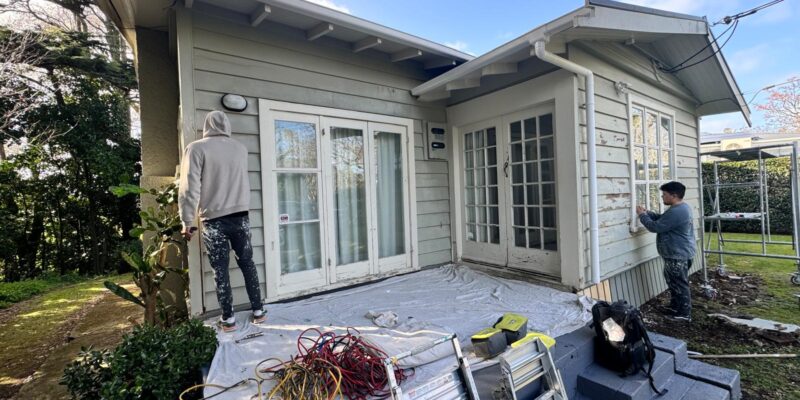
How Much Does It Cost to Paint a House in Auckland? A Complete Guide

If you are planning to refresh your home, one of the first questions you are likely to ask is: how much does it cost to paint a house in Auckland? The answer depends on several factors, including the size of your property, whether you are painting the interior or exterior, the condition of the existing surfaces, the type of paint required and the amount of preparation involved.

While getting a professional quote is the best way to understand the cost of your specific project, knowing what goes into a house painting estimate can help you plan your budget and compare quotes more confidently.

What Affects the Cost of House Painting in Auckland?

There is no single price that applies to every Auckland home. A small interior repaint can have very different requirements from a full exterior renovation or a complete interior and exterior repaint.

The main factors that influence house painting costs in Auckland include the following.

Property Size and the Number of Rooms Being Painted

The size of your home naturally affects the amount of paint, preparation and labour required. A three-bedroom home requiring selected rooms to be repainted will have a different scope from a full-house repaint covering walls, ceilings, doors, frames and other surfaces.

The number of levels can also affect the project. Multi-storey properties may require additional equipment, access planning and preparation, particularly when exterior walls are involved.

Interior or Exterior House Painting

Another important consideration is whether you need interior painting, exterior painting or both.

Interior painting may involve walls, ceilings, skirting boards, doors, frames and other surfaces. Exterior painting can involve weatherboards, cladding, trims, doors and other exposed areas.

Exterior surfaces also have to withstand Auckland’s changing weather conditions, so proper preparation and the selection of suitable coatings are particularly important.

FSM Housing provides both interior and exterior painting services across Auckland, with a focus on surface preparation and durable finishes.

Surface Preparation Can Have a Major Impact on Painting Costs

One of the biggest mistakes homeowners can make is assuming that painting is simply a matter of applying a new colour over an existing surface.

Paint preparation is an important part of achieving a smooth, durable finish. Depending on the property, preparation may include cleaning, sanding, filling holes and cracks, repairing damaged surfaces, removing old wallpaper or addressing areas where previous coatings have deteriorated.

If walls require plastering or GIB repairs before painting, this can also increase the overall project scope.

For example, FSM Housing’s previous Auckland interior renovation projects have included repairing GIB, preparing surfaces to a Level 5 finish, undercoating and then applying the final paint system.

The Type and Quality of Paint You Choose

Paint products vary in quality, durability, coverage and finish. The right product depends on where it will be used and the type of surface being painted.

For example, high-traffic interior areas may benefit from a durable and washable finish, while exterior surfaces require coatings designed to withstand outdoor exposure.

The number of coats required can also influence the amount of paint and labour needed. A colour change from a dark shade to a light colour, for example, may require more preparation or additional coats to achieve an even result.

Labour and the Complexity of the Property

Professional painting involves considerably more than rolling paint onto walls. A painting team needs to prepare the work area, protect surrounding surfaces, carry out repairs where required, apply the specified coating system and complete the final inspection.

Properties with detailed trim, difficult access, high ceilings, multiple levels or extensive repairs may therefore require more labour than a straightforward repaint.

FSM Housing’s process includes consultation and site review, clear scope and pricing, preparation and protection, professional application, followed by final inspection and handover.

Interior House Painting vs Exterior House Painting Costs

When considering house painting in Auckland, it is useful to separate interior and exterior work.

Interior projects can range from repainting selected rooms to a complete transformation involving ceilings, walls, doors, frames and skirting boards.

Exterior projects may require considerably more preparation because surfaces are exposed to moisture, sunlight, wind and other environmental conditions. Cleaning, repairs, sanding, priming and access requirements can all affect the final cost.

FSM Housing’s Auckland projects include both full interior repaints and complete exterior repaints, demonstrating how different property types can require different scopes of work.

How to Get an Accurate House Painting Quote in Auckland

Rather than choosing a painter based solely on the cheapest advertised price, ask what is included in the quote.

A useful house painting quote should clearly explain:

  • Which rooms or exterior areas are included
  • Surface preparation requirements
  • Repairs and patching
  • Primer or undercoat requirements
  • Number of coats
  • Paint products or coating systems
  • Doors, windows, trims and ceilings
  • Access and equipment requirements
  • Estimated project timeframe
  • Any additional work that may be required

A detailed scope makes it easier to compare painting companies on a like-for-like basis.

Why Professional Preparation Matters for a Long-Lasting Finish

A fresh coat of paint can dramatically change the appearance of a property, but the quality of the final result depends heavily on what happens before the paint is applied.

Professional painters assess the condition of the substrate, prepare surfaces correctly and select appropriate materials for the project. This can help create a more consistent appearance and improve the longevity of the finished coating.

If you are considering a complete home transformation, you can also explore FSM Housing’s before and after interior painting projects to see examples of completed work.

Planning Your House Painting Project in Auckland

The best way to establish your actual painting budget is to have the property assessed and receive a detailed quotation based on its specific requirements.

Whether you need a single-room refresh, a complete interior repaint, an exterior makeover or a larger residential project, the scope of work should be established before painting begins.

FSM Housing provides professional house painting services in Auckland for residential, commercial and other property projects, with services covering interior painting, exterior painting, commercial painting, feature walls and surface preparation.

You can also explore FSM Housing’s complete range of services if your project requires additional finishing work alongside painting.

Get a Professional House Painting Quote

Every Auckland property is different, so the cost of painting your home depends on its size, condition, surfaces, access, materials and the level of preparation required.

Instead of relying on a generic painting price, get a detailed assessment of your property and make sure the quotation clearly explains the work involved. With proper preparation, suitable materials and professional application, a quality paint job can give your home a fresh appearance while providing a durable finish for years to come.

Interior House Painting: How to Choose the Right Colours, Finish and Paint?

A fresh coat of paint can completely change the look and feel of your home. Whether you are updating a single room or planning a complete renovation, interior house painting is one of the most effective ways to refresh your living space without making major structural changes.

However, choosing the right colour is only part of the process. The type of paint, finish, preparation and suitability for each room can all affect the final result. Understanding these factors can help you create an interior that looks good and remains practical for everyday life.

Start by Choosing Interior Paint Colours That Suit Your Home

Colour is usually the first decision homeowners make when planning an interior painting project. The right colour can make a room feel larger, brighter, warmer or more inviting.

Before choosing a particular shade, consider the amount of natural light the room receives. Rooms with plenty of sunlight can work well with both light and darker colours, while rooms with limited natural light may benefit from softer, lighter shades.

You should also consider the existing flooring, furniture, cabinetry, curtains and other permanent features. Your wall colour should complement these elements rather than compete with them.

Neutral colours such as whites, creams, greys and warm beige tones remain popular because they are versatile and can work with many interior styles. However, deeper shades can be effective when used strategically on a feature wall or within a specific room.

For more inspiration, explore these interior painting and design ideas before finalising your colour scheme.

Understand the Different Paint Finishes for Interior Walls

Choosing a colour is only one part of selecting paint. The paint finish can also change the appearance and performance of your walls.

Different rooms can benefit from different levels of sheen.

Low-Sheen Paint for Everyday Living Areas

Low-sheen finishes are commonly used on interior walls because they provide a subtle appearance while offering greater durability than completely flat finishes.

They can work well in living rooms, bedrooms, hallways and other areas where you want a clean, understated look.

Matt and Flat Finishes for a Softer Appearance

Matt finishes absorb more light and provide a smooth, understated appearance. They can be useful when you want to minimise the visual emphasis on minor imperfections in a wall.

However, the suitability of a particular finish depends on the room and the paint product, particularly in areas that experience frequent cleaning.

Semi-Gloss and Gloss Finishes for High-Use Areas

Higher-sheen paints are generally easier to clean and can be suitable for selected areas such as doors, trims, skirting boards and other surfaces that receive regular contact.

In kitchens and bathrooms, choosing a coating designed for the specific environment can be particularly important because these rooms are exposed to moisture, steam and regular cleaning.

Choose the Right Paint for Each Room in Your Home

There is no requirement for every room in your home to use exactly the same paint system.

The best choice depends on how each space is used.

Kitchen Interior Painting

Kitchen walls can be exposed to cooking splashes, grease, steam and frequent cleaning. A durable, washable coating can therefore be a practical choice.

Cabinetry, splashbacks and other existing features should also be considered when choosing a wall colour.

Bedroom Painting

Bedrooms generally allow greater flexibility because they experience less heavy traffic than kitchens and hallways.

Soft neutrals, earthy tones and muted colours can create a relaxed environment, while stronger colours can be introduced through an accent or feature wall.

Living Room Wall Painting

The living room is often one of the most visible areas of a home, making it an ideal place to create a strong overall colour scheme.

Consider how the walls interact with your furniture, flooring and natural lighting throughout the day.

Hallways and High-Traffic Areas

Hallways can experience considerably more contact than bedrooms, so durability and cleanability are important considerations.

Lighter colours can also help narrow hallways feel more open and spacious.

Proper Surface Preparation Is Essential Before Interior Painting

Even the highest-quality paint cannot compensate for poor preparation.

Before interior walls are painted, surfaces may need to be cleaned, sanded, filled and repaired. Cracks, holes, dents and damaged GIB can affect the final appearance if they are simply painted over.

In some situations, GIB fixing, plastering or stopping may be required before the painting stage begins.

If your walls have noticeable damage, consider professional GIB fixing services before starting the painting process.

Once repairs have been completed, the surface can be prepared for primer, undercoat and the appropriate finishing coats.

Consider Feature Walls When You Want a Stronger Design Statement

You do not necessarily need to paint every wall in a bold colour to make an impact.

A feature wall can introduce contrast and personality while keeping the majority of the room relatively neutral. This approach can work particularly well behind a bed, television, fireplace or dining area.

The colour should complement the rest of the room rather than appearing disconnected from it.

If you want to create a stronger focal point, explore feature wall painting services for ideas and professional finishing.

Think About How Your Interior Paint Colours Work Together

If you are repainting several rooms, it is worth considering the home as a whole rather than selecting every colour independently.

Open-plan homes especially benefit from a coordinated colour palette. Colours do not necessarily have to match exactly, but they should transition naturally between adjoining spaces.

You can use one main neutral shade throughout the property and introduce complementary colours in selected rooms or feature walls.

This creates consistency while still allowing individual spaces to have their own character.

Why Professional Interior House Painting Can Make a Difference

Interior painting may appear straightforward, but achieving a professional finish requires careful preparation, accurate application and attention to detail.

Professional painters can help with surface assessment, preparation, colour application, paint selection and finishing details. This can be particularly valuable when walls require repairs before painting or when an entire property needs to be refreshed.

FSM Housing provides professional interior and exterior painting services for homeowners looking to improve and refresh their properties.

Refresh Your Home With the Right Interior Painting Approach

Choosing the right colour and paint finish is only the beginning of a successful interior painting project. The condition of the walls, lighting, room usage, existing décor and required durability should all be considered before work begins.

Whether you are updating a single bedroom, refreshing your living room or repainting your entire home, thoughtful planning can help you achieve a result that feels cohesive, practical and suited to your lifestyle.

With the right preparation, products and application, interior house painting can give your Auckland home a completely refreshed appearance without requiring a major renovation.