
GIB Stopping vs GIB Fixing: What’s the Difference?

If you are renovating or repairing your Auckland home, you may come across terms such as GIB fixing and GIB stopping. While both are important parts of creating finished plasterboard walls, they refer to different stages of the process.

Understanding the difference can help you identify what your project needs and why both services may sometimes be required before your walls are ready for painting.

What Is GIB Fixing and When Is It Required?

GIB fixing refers to the process of installing or repairing GIB plasterboard panels on walls and ceilings.

GIB, commonly used for interior walls and ceilings, provides a smooth surface that can later be stopped, prepared and painted. During a new build or renovation, sheets of GIB are cut and positioned before being secured to the appropriate framing.

GIB fixing can also be required when existing plasterboard has been damaged.

For example, you may need GIB fixing after:

  • Removing a wall or doorway
  • Plumbing or electrical work
  • Water damage
  • Accidental impact
  • Renovating a room
  • Replacing damaged plasterboard
  • Installing new interior walls

If sections of your wall are damaged beyond a simple surface repair, GIB fixing services can help restore the underlying plasterboard.

What Is GIB Stopping and Why Is It Important?

Once GIB panels have been installed, the joints between individual sheets are still visible. The fastener holes and joins need to be properly finished before the wall can be painted.

This is where GIB stopping comes in.

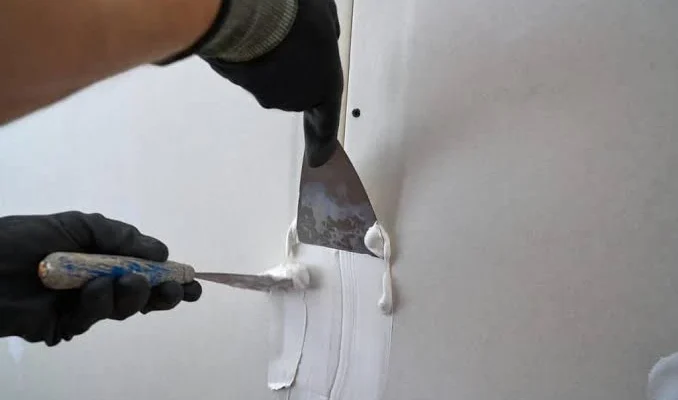
GIB stopping involves preparing and finishing the joints, corners and fixing points so that the finished surface is smooth and ready for decoration.

Without proper stopping, the joints between plasterboard sheets can remain visible through the paint.

Professional GIB stopping services can help create a more consistent surface before the painting stage.

GIB Fixing and GIB Stopping Are Different Stages of the Same Process

The simplest way to understand the difference is to think of them as two connected stages.

GIB fixing = installing or repairing the plasterboard.

GIB stopping = finishing the plasterboard so the joints and fixing points are smooth and ready for decorating.

You generally cannot achieve a high-quality finished wall by focusing on only one stage when both are required.

For example, if a new wall is being constructed, the GIB first needs to be fixed into position. The joints can then be stopped and finished before the surface is prepared for paint.

Why Proper GIB Stopping Matters Before Painting

Painting does not automatically hide imperfections underneath the surface.

In fact, certain lighting conditions can make poorly finished joints, screw holes and uneven areas even more noticeable after painting.

A properly stopped wall provides a much better foundation for primer, undercoat and the final decorative coating.

This is particularly important when using lighter colours or when natural light falls directly across a wall.

Surface preparation therefore plays a major role in the appearance of the completed interior.

When Does a Home Need GIB Fixing?

GIB fixing is commonly required when the actual plasterboard has been damaged or when new sheets need to be installed.

A professional assessment may be useful if you notice:

  • Large holes in walls
  • Broken or cracked plasterboard
  • Water-damaged GIB
  • Sections removed during renovation work
  • Loose or damaged panels
  • New walls requiring plasterboard
  • Areas affected by electrical or plumbing work

Small surface imperfections may not require complete GIB replacement, but larger damage can affect the structural and visual integrity of the wall.

When Does a Home Need GIB Stopping?

GIB stopping is generally needed when plasterboard has been newly installed or when existing joints and repairs require finishing.

You may need stopping when:

  • New GIB has been installed
  • Joints are visible
  • Screw holes need finishing
  • Repairs have left uneven areas
  • You are preparing walls for painting
  • A previous GIB finish was poorly completed

The goal is to produce a smooth, consistent surface that can be properly prepared and decorated.

How Plastering Fits Into GIB Repair and Finishing

GIB stopping and fixing are not the only types of wall-finishing work a property may require.

Older plaster surfaces, damaged walls or uneven areas may also require professional plastering.

The correct approach depends on the existing wall construction and the type and extent of damage.

For projects involving significant surface imperfections, professional plastering services can be used alongside GIB repair and finishing.

Can GIB Fixing and GIB Stopping Be Part of the Same Project?

Yes. In many renovation and construction projects, these services naturally form part of the same process.

A typical sequence might look like this:

1. Assess the existing wall

The condition of the wall or ceiling is inspected to determine what work is required.

2. Complete GIB fixing

Damaged plasterboard is repaired or replaced, or new GIB panels are installed.

3. Stop and finish the joints

Joints, corners and fixing points are treated to create a smooth surface.

4. Sand and prepare the surface

The finished area is prepared for the next stage.

5. Apply primer or undercoat

The prepared surface is sealed and made ready for the final coating.

6. Paint the finished wall

The final colour and coating are applied to complete the renovation.

Depending on the condition of the property, additional plastering or repairs may be required between these stages.

Should You Repair GIB Before Painting?

If the plasterboard is damaged, it is generally better to repair the underlying surface before applying decorative paint.

Painting over damaged GIB may temporarily improve the appearance, but it does not address the actual problem. Cracks, dents and uneven areas can remain visible and may affect the final result.

Good preparation is especially important if you are planning a complete interior repaint.

Choosing the Right GIB Service for Your Auckland Home

The difference between GIB fixing and GIB stopping is straightforward: fixing deals with the plasterboard itself, while stopping focuses on finishing the joints and fixing points.

Depending on your property, you may require one service or several stages of wall preparation.

FSM Housing provides GIB fixing, GIB stopping and other interior finishing services for residential and renovation projects.

Once the wall surfaces have been properly repaired and prepared, the next stage can be interior decoration and painting. Combining the right preparation with professional application can help create a smoother, cleaner and more durable finish for your home.
7 Signs Your Home Needs Professional Plastering or GIB Repairs

Walls play an important role in the appearance of your home. When they are smooth and properly finished, they provide a clean foundation for interior paint and décor. However, cracks, dents, holes and other imperfections can become increasingly noticeable over time.

Some minor marks can be handled with simple DIY repairs, but more significant damage may require professional plastering or GIB repairs. Identifying the problem early can help prevent further deterioration and ensure your walls are properly prepared for painting or renovation.

Here are seven signs that your Auckland home may benefit from professional wall repair services.

1. Cracks Are Appearing or Getting Larger on Your Walls

Small cracks can sometimes occur naturally as a property settles. However, cracks that are becoming larger, recurring after repairs or appearing across multiple areas should not simply be covered with paint.

Cracking can occur in plaster, GIB joints or other wall surfaces for several reasons. The appropriate repair method depends on the type, location and extent of the damage.

A professional can assess the affected area and determine whether it requires filling, plastering, GIB repair or additional preparation before painting.

2. Your GIB Has Holes, Dents or Impact Damage

GIB can be damaged by furniture, accidental impacts, plumbing work, electrical work and general household activity.

Small dents may be relatively straightforward to repair, but larger holes or badly damaged sections may require part of the GIB to be removed and replaced.

Professional GIB fixing can restore the damaged section and provide a suitable surface for the next stage of finishing.

FSM Housing provides professional GIB fixing services for damaged or deteriorated wall and ceiling surfaces.

3. You Can See Uneven Joints or Visible GIB Seams

When GIB panels are installed, the joints need to be properly stopped and finished before the surface is painted.

If the joints are not finished correctly, you may notice visible lines, ridges or uneven areas once light falls across the wall. These imperfections can become even more noticeable after painting.

Professional GIB stopping helps create a smooth, consistent surface that is ready for decorating.

If your walls have visible joints or poor previous finishing, explore GIB stopping services to understand how the surface can be prepared for a quality finish.

4. Previous Wall Repairs Are Clearly Visible

A poorly repaired wall can sometimes look worse after it has been painted.

Patch marks, uneven filler, ridges and differences in texture may remain visible underneath a new coating. Simply applying additional paint does not necessarily solve the underlying problem.

Proper preparation may involve sanding, filling, plastering or reworking the damaged area before primer and paint are applied.

If you are planning an interior repaint, addressing these imperfections first can make a significant difference to the finished appearance.

5. Water Damage Has Affected Your Walls or Ceiling

Water leaks can cause significant damage to plasterboard and other interior surfaces.

Signs of water-related damage may include staining, bubbling paint, soft areas, swelling, mould or deteriorating surfaces.

Painting directly over a water-damaged area is unlikely to provide a lasting solution. The source of the moisture should be addressed first, followed by an assessment of the affected wall or ceiling.

Depending on the extent of the damage, sections of GIB may need to be replaced before stopping, plastering and painting can take place.

6. Your Walls Look Uneven Under Natural or Artificial Light

A wall may appear acceptable at first glance but reveal imperfections when light hits it from a particular angle.

Uneven textures, ridges, dents and poorly finished joints can become especially obvious near windows or under strong lighting.

If you are planning a high-quality interior renovation, the condition of the underlying wall surface is important. Professional plastering and surface preparation can help create a more uniform finish before decorative coatings are applied.

FSM Housing offers professional plastering services to help repair and prepare interior surfaces.

7. You Are Planning to Repaint but the Surface Is Not in Good Condition

A new colour can transform a room, but paint is not designed to hide significant wall damage.

If your walls contain cracks, holes, damaged GIB, uneven surfaces or previous repair marks, it is worth dealing with those issues before beginning the painting process.

Proper preparation can help the new paint adhere correctly and produce a cleaner, more consistent result.

For larger renovation projects, plastering, GIB fixing, GIB stopping and painting can work together as part of one complete finishing process.

GIB Fixing, GIB Stopping and Plastering: What’s the Difference?

These terms are sometimes used interchangeably, but they describe different parts of the wall-finishing process.

GIB fixing generally relates to installing or repairing GIB panels.

GIB stopping involves finishing the joints and fastener areas between GIB sheets to create a smooth surface.

Plastering can involve applying plaster or other compounds to repair, level or finish surfaces depending on the project requirements.

The right solution depends on the condition and construction of your walls.

When Should You Repair Your Walls Before Painting?

If you can see cracks, holes, damaged GIB or uneven joints, it is usually better to address those issues before applying the final paint.

Trying to hide significant wall imperfections with additional coats of paint can result in wasted time and materials while leaving the underlying problem unresolved.

A professional assessment can help determine which combination of GIB fixing, GIB stopping, plastering and painting is appropriate for your property.

Get Your Walls Ready for a Professional Finish

Your walls provide the foundation for your home’s interior appearance. Whether you have a few damaged sections or are preparing for a complete renovation, proper surface preparation can make a significant difference.

FSM Housing offers a range of wall-finishing services, including plastering, GIB stopping and GIB fixing, helping homeowners prepare their interiors for a smooth and professional finish.

If you are planning to repaint after completing wall repairs, you can also explore FSM Housing’s professional painting services for the next stage of your project.

The earlier damaged or deteriorating surfaces are addressed, the easier it can be to create a clean foundation for your next renovation or decorating project.