7 Signs Your Home Needs Professional Plastering or GIB Repairs

Walls play an important role in the appearance of your home. When they are smooth and properly finished, they provide a clean foundation for interior paint and décor. However, cracks, dents, holes and other imperfections can become increasingly noticeable over time.

Some minor marks can be handled with simple DIY repairs, but more significant damage may require professional plastering or GIB repairs. Identifying the problem early can help prevent further deterioration and ensure your walls are properly prepared for painting or renovation.

Here are seven signs that your Auckland home may benefit from professional wall repair services.

1. Cracks Are Appearing or Getting Larger on Your Walls

Small cracks can sometimes occur naturally as a property settles. However, cracks that are becoming larger, recurring after repairs or appearing across multiple areas should not simply be covered with paint.

Cracking can occur in plaster, GIB joints or other wall surfaces for several reasons. The appropriate repair method depends on the type, location and extent of the damage.

A professional can assess the affected area and determine whether it requires filling, plastering, GIB repair or additional preparation before painting.

2. Your GIB Has Holes, Dents or Impact Damage

GIB can be damaged by furniture, accidental impacts, plumbing work, electrical work and general household activity.

Small dents may be relatively straightforward to repair, but larger holes or badly damaged sections may require part of the GIB to be removed and replaced.

Professional GIB fixing can restore the damaged section and provide a suitable surface for the next stage of finishing.

FSM Housing provides professional GIB fixing services for damaged or deteriorated wall and ceiling surfaces.

3. You Can See Uneven Joints or Visible GIB Seams

When GIB panels are installed, the joints need to be properly stopped and finished before the surface is painted.

If the joints are not finished correctly, you may notice visible lines, ridges or uneven areas once light falls across the wall. These imperfections can become even more noticeable after painting.

Professional GIB stopping helps create a smooth, consistent surface that is ready for decorating.

If your walls have visible joints or poor previous finishing, explore GIB stopping services to understand how the surface can be prepared for a quality finish.

4. Previous Wall Repairs Are Clearly Visible

A poorly repaired wall can sometimes look worse after it has been painted.

Patch marks, uneven filler, ridges and differences in texture may remain visible underneath a new coating. Simply applying additional paint does not necessarily solve the underlying problem.

Proper preparation may involve sanding, filling, plastering or reworking the damaged area before primer and paint are applied.

If you are planning an interior repaint, addressing these imperfections first can make a significant difference to the finished appearance.

5. Water Damage Has Affected Your Walls or Ceiling

Water leaks can cause significant damage to plasterboard and other interior surfaces.

Signs of water-related damage may include staining, bubbling paint, soft areas, swelling, mould or deteriorating surfaces.

Painting directly over a water-damaged area is unlikely to provide a lasting solution. The source of the moisture should be addressed first, followed by an assessment of the affected wall or ceiling.

Depending on the extent of the damage, sections of GIB may need to be replaced before stopping, plastering and painting can take place.

6. Your Walls Look Uneven Under Natural or Artificial Light

A wall may appear acceptable at first glance but reveal imperfections when light hits it from a particular angle.

Uneven textures, ridges, dents and poorly finished joints can become especially obvious near windows or under strong lighting.

If you are planning a high-quality interior renovation, the condition of the underlying wall surface is important. Professional plastering and surface preparation can help create a more uniform finish before decorative coatings are applied.

FSM Housing offers professional plastering services to help repair and prepare interior surfaces.

7. You Are Planning to Repaint but the Surface Is Not in Good Condition

A new colour can transform a room, but paint is not designed to hide significant wall damage.

If your walls contain cracks, holes, damaged GIB, uneven surfaces or previous repair marks, it is worth dealing with those issues before beginning the painting process.

Proper preparation can help the new paint adhere correctly and produce a cleaner, more consistent result.

For larger renovation projects, plastering, GIB fixing, GIB stopping and painting can work together as part of one complete finishing process.

GIB Fixing, GIB Stopping and Plastering: What’s the Difference?

These terms are sometimes used interchangeably, but they describe different parts of the wall-finishing process.

GIB fixing generally relates to installing or repairing GIB panels.

GIB stopping involves finishing the joints and fastener areas between GIB sheets to create a smooth surface.

Plastering can involve applying plaster or other compounds to repair, level or finish surfaces depending on the project requirements.

The right solution depends on the condition and construction of your walls.

When Should You Repair Your Walls Before Painting?

If you can see cracks, holes, damaged GIB or uneven joints, it is usually better to address those issues before applying the final paint.

Trying to hide significant wall imperfections with additional coats of paint can result in wasted time and materials while leaving the underlying problem unresolved.

A professional assessment can help determine which combination of GIB fixing, GIB stopping, plastering and painting is appropriate for your property.

Get Your Walls Ready for a Professional Finish

Your walls provide the foundation for your home’s interior appearance. Whether you have a few damaged sections or are preparing for a complete renovation, proper surface preparation can make a significant difference.

FSM Housing offers a range of wall-finishing services, including plastering, GIB stopping and GIB fixing, helping homeowners prepare their interiors for a smooth and professional finish.

If you are planning to repaint after completing wall repairs, you can also explore FSM Housing’s professional painting services for the next stage of your project.

The earlier damaged or deteriorating surfaces are addressed, the easier it can be to create a clean foundation for your next renovation or decorating project.
The Hidden Residues: Why Post Construction Cleaning Services Auckland are Essential for a High-End Handover?

In the excitement of completing a new residential build or a large-scale commercial development, many owners and project managers overlook the final, most critical step: the transition from a construction site to a clinical, move-in-ready environment. While the builders have done their job, they often leave behind a specific type of debris that a standard domestic clean cannot handle. This is where professional post construction cleaning services Auckland become a technical necessity.

The “Silicone Scrim” and Window Etching

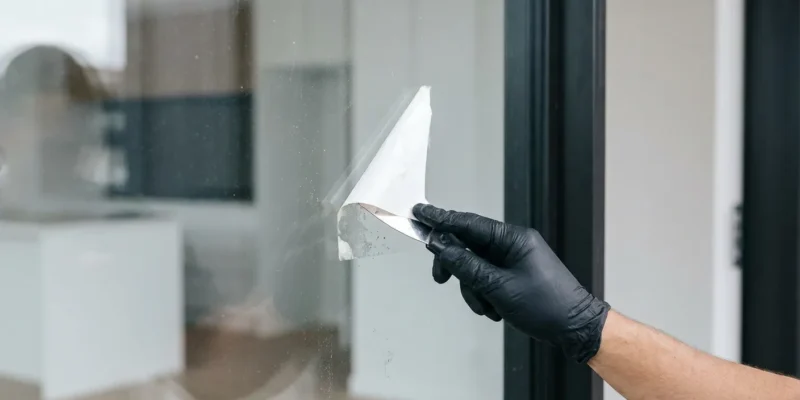
One of the most common issues in new Auckland builds is the residue left on joinery and glass. During construction, silicone sealants, window stickers, and protective films are applied. Over months of exposure to Auckland’s high UV and salt air, the adhesives in these products can bake onto the glass.

Standard cleaning often involves scraping, which, if done incorrectly, can permanently scratch expensive double-glazed units. Specialized post construction cleaning services Auckland use citrus-based neutralizers and industrial-grade glass cleaners to break the chemical bond of the adhesive without compromising the surface of the glass. This is particularly vital for coastal homes where salt spray can mix with construction dust to create an abrasive “paste” on window tracks.

The Challenge of Grout Haze

Modern Auckland interior design heavily features large-format tiles in bathrooms and kitchens. After tiling is complete, a “grout haze” (a thin film of dried minerals) often lingers on the surface. To the untrained eye, it looks like a bit of dust, but it cannot be removed with a mop and bucket. If you paint or seal over grout haze, you trap the dullness forever.

Professional post-construction cleaners use acidic or alkaline-based cleaners (depending on the tile type) to strip the haze away, revealing the true color and luster of the stone or ceramic.

Fine Dust and the “HVAC Trap”

Construction dust is heavy and pervasive. It doesn’t just sit on the floor; it floats into the “dead zones” of a house. This includes the tops of kitchen cabinetry, inside electrical socket boxes, and most importantly, into the ducting of heat pumps and ventilation systems.

If a home is occupied before a technical “sparkle clean” is performed, the first time the HVAC system is turned on, it will distribute fine GIB dust and sawdust throughout the entire house. A professional post-construction service includes vacuuming the internal components of these systems and cleaning the filters to ensure the air quality is safe from day one.

Glue Residue on New Flooring

Whether it is high-end engineered timber or luxury vinyl planking, new floors are usually protected during the build with “Ram Board” or plastic films. While these protect against dropped tools, they often leave a microscopic “tackiness” behind. This residue acts like a magnet for dirt. If not professionally stripped and neutralized, your brand-new floors will look “dirty” within days of moving in, no matter how much you vacuum.

The Three-Stage Handover

When we discuss post construction cleaning services Auckland with our clients, we focus on the three-stage approach:

  1. The Rough Clean: Removing all large debris, stickers, and protective coverings.

  2. The Builders Clean: The detailed removal of grout, silicone, and paint splatters.

  3. The Sparkle Clean: The final polish that adds the “wow factor” for the owners.

Investing in a professional cleaning service is the final insurance policy for your construction project. It ensures that the craftsmanship of the painters, plasterers, and builders is seen clearly, without the distraction of construction grit.

The Best Paint Sheen for Your Kitchen

Choosing paint for a kitchen is especially important because of the nature of the space and how it is used. In addition to choosing a pleasing color for this room in which you’ll spend a considerable amount of time, you also need to choose a paint that will hold up to use, and that is readily washable. The basic “scrub-ability” factor is determined by the paint’s sheen.

Continue reading “The Best Paint Sheen for Your Kitchen”

Tips for Choosing Interior Paint Colors

The easiest way to choose the best interior paint colors is to start with colors you love. When you start with the colors you love, you are not bound by the traditional color schemes for a particular decorating style. Using your own favorite color as your base color, you can use it to create a color scheme around it. Your favorite colors can be the perfect inspiration for your new color palette.Here’s how to find out what your favorite color means, and how you can decorate with it.


Find Paint Color Inspiration

Magazines and catalogs have always been the staple of decorating inspiration. We’re lucky that now we have thousands of pages of inspiration on the internet. Retailer sites can be inspiring with their room vignettes, paint company sites can also show you ways to use color in your home. Social media sites like Pinterest and Instagram offer color inspiration that is refreshed in real time. Pinterest is great for creating inspiration boards for your favorite ideas, so you can keep all your ideas in one spot.Stunning teal living room from Shades of Light.


Use Color Theory to Create a Color Scheme

You don’t have to study color theory to get great ideas from a little color wheel. These inexpensive color tools can generate color scheme ideas quickly. With a turn of the wheel, you can see how colors might relate to each other, and learn the basics of color theory. While you probably won’t be painting your home in the exact colors you see on the wheel, you can choose shades of those colors at your favorite paint store.

It’s easy to use a color wheel to create a color scheme once you learn a few easy concepts.


Get Creative With Neutral Paint Colors

Just because you choose neutral paint colors doesn’t mean they have to be laid back. You can rev up your neutral color palette by being creative with how the colors are used. A striped wall in neutral colors adds tons of style but still keeps the room looking relaxed. Neutral wall color with a pastel ceiling is a sneaky way to add color without losing the soothing vibe of the space.


Pull Your Paint Color From a Print

One of the easiest ways to choose interior paint color is to start with a print fabric. Throw pillows, bedding, and even table linens can provide you with paint color ideas. If you’re creating an accent wall, look to the boldest colors in the print. If you would like to choose a paint color that is more subtle or for a larger space, look at the color in the small details of your print fabric. Take a fabric swatch to the paint store so you can choose paint strips to view at home.


Look Outside for Ideas

Bringing the outside in is a popular inspiration for color schemes. Whether you choose foliage green or the laid-back blues of the beach, exterior-inspired colors schemes are meant to be restful and relaxing. Be sure to sample your favorite paint colors at all times of the day and night, and with the window treatments closed and open to get the most realistic view of your possible choices.

If you’re going to use your landscape as inspiration, you’ll need to know the dos and don’ts of decorating with green.


Find You Paint Color in Artwork

An interior designer’s secret is choosing colors from artwork in your home. Most artists are masters of color and light,  creating their own color schemes for their pieces. You can benefit from their insight by choosing colors from a favorite piece of art. You can also choose complimentary colors from the same work of art, to create a color scheme.


Try a Lighter or Darker Shade

Sometimes all you need is a little adjustment to find the right interior paint color. Before you abandon your paint color choice too quickly, consider a lighter or darker shade of the same color. Many paint colors appear on a paint strip in gradual shades, but you can also ask your paint store to customize it by percentages of light or dark shades.


How to Use Undertones to Find Your Perfect Paint Colors

You can be unpleasantly surprised by the undertones when choosing interior paint colors. Simply explained, undertones are the colors lurking beneath your favorite paint color. A simple beige may not be all that simple if it has a strong green undertone. The only way to accurately read how an undertone will appear in your home is to sample the color. Undertones from other surfaces in your room can also change the way your paint appears due to reflection, so sampling is essential.

Learn how undertones work, and why it matters when you’re choosing interior paint colors.


How to Flow Color Throughout Your Home

If you’re decorating a small home, flowing paint color throughout the rooms can give the illusion of a larger space. Flowing paint color through your home can also create a relaxing vibe. The most stunning way to use flowing color is to choose a neutral paint color that will be your signature hue for your home. Each room can have its own accent colors, or you can use the same accent colors in different amounts in each room. Keep flooring similar from room to room, and consider molding to tie everything together.